
LEGAL GUIDE 09 • HIT-AND-RUN CLAIMS
Georgia Hit-and-Run Accident Claims: What to Do Next
A hit-and-run can leave an injured person with urgent medical needs and no obvious insurer to call. The first steps matter. Prompt reporting, careful evidence preservation, and early notice to every potentially applicable insurer can help protect a Georgia car accident claim even when the fleeing driver is never identified.
Call 911 and Remain at the Scene
Move to safety if possible, request medical assistance, and tell the dispatcher that the other driver left. Georgia DDS instructs drivers involved in a crash to stop safely, notify law enforcement when anyone is injured or killed or when property damage exceeds $500, assist injured people, and exchange identifying information. A driver who leaves prevents that exchange, making a prompt police investigation especially important.
Write Down Every Detail Immediately
Record the fleeing vehicle’s color, body style, make, model, damage, direction of travel, license plate characters, and anything distinctive. Note the time, location, weather, signals, lane positions, and sequence of impact. Photograph the scene, debris, skid marks, vehicle damage, injuries, and nearby cameras. Ask witnesses for names and direct contact details rather than relying only on the police report.
Look for Video Before It Is Deleted
Doorbell cameras, businesses, parking facilities, traffic systems, buses, and nearby vehicles may have recorded the collision or the fleeing vehicle. Many systems overwrite footage quickly. Identify camera locations for law enforcement and preserve written requests. Do not confront a suspected driver yourself.
The Driver Fled—Your Options May Not Be Gone
The Awad Law Firm can review the police investigation, available video, witnesses, and insurance policies before important evidence disappears.
Obtain the Crash Report
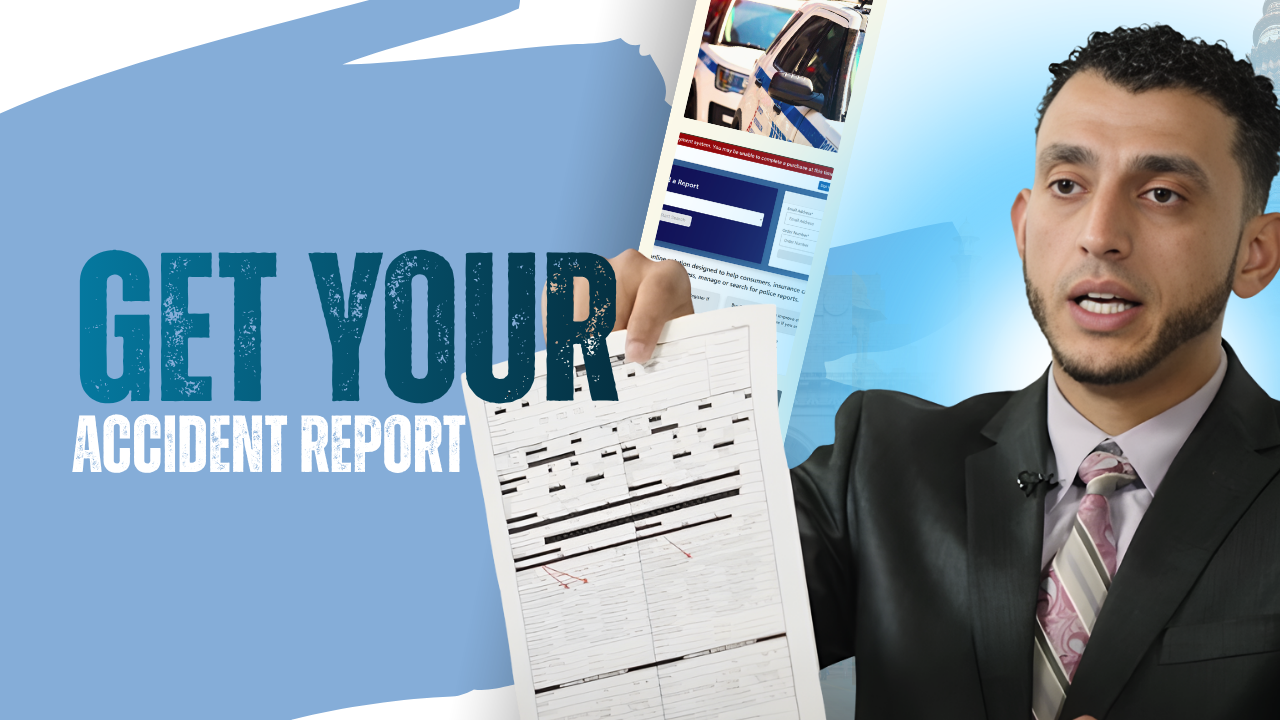
Ask the responding agency when and how the report will be available. It may document witness statements, vehicle fragments, suspected plate information, and the officer’s investigation. Our Georgia accident-report guide explains the retrieval process and why the report matters.
Notify Your Insurer Promptly
Do not assume there is no claim because the other vehicle disappeared. An applicable uninsured motorist policy may treat an unidentified hit-and-run driver as an uninsured motorist, subject to the policy and Georgia requirements. Coverage may come from more than one policy depending on the vehicle, household, employment, and other facts. Read our detailed Georgia UM/UIM coverage guide.
Document Injuries and Financial Losses
Seek appropriate care and follow medical instructions. Keep medical records, bills, work restrictions, wage-loss documents, repair estimates, and photographs. Avoid broad medical authorizations or early releases before understanding the injuries and available coverage. Learn more about the factors that affect Georgia accident claim value.
What If Police Later Identify the Driver?
Identification may open a liability claim against the driver and vehicle owner, but it does not automatically establish insurance coverage or collectability. Preserve all UM notices while liability coverage is investigated. Criminal proceedings and an injury claim are separate processes, and an injured person should not wait for the criminal case to end before protecting civil deadlines.
Deadlines Still Apply
Insurance-notice requirements may arise well before a lawsuit deadline. Georgia injury cases are often subject to a two-year limitation period, but exceptions and special procedures can change the result. Review our Georgia filing-deadline guide and obtain individualized advice promptly.
Official Resources
- Georgia DDS: What to Do If You Are Involved in a Crash
- Georgia OCI: Auto Claim Tips
- Georgia OCI: Insurance Claim Tips
This article provides general educational information and is not legal advice. Coverage and deadlines depend on the policy and facts of each case.
Next Guide: Georgia Rear-End Accident Claims Back to Legal Education