
LEGAL GUIDE 10 • REAR-END COLLISIONS
Georgia Rear-End Accident Claims: Fault, Evidence, and Compensation
Rear-end collisions are common, but they are not automatically simple. Drivers and insurers may dispute sudden stops, unsafe following distance, brake lights, multi-vehicle impacts, lane changes, or whether the crash caused the reported injuries. A strong Georgia car accident claim is built on evidence rather than assumptions.
Is the Rear Driver Always at Fault?
The rear driver is often responsible because every motorist must maintain a safe following distance, keep a proper lookout, and be prepared for traffic conditions. However, fault must still be evaluated from the facts. A lead vehicle may be alleged to have cut into the lane, reversed, lacked working brake lights, or stopped for reasons the insurer disputes. In a chain-reaction collision, more than one driver may share responsibility.
Evidence That Helps Establish What Happened
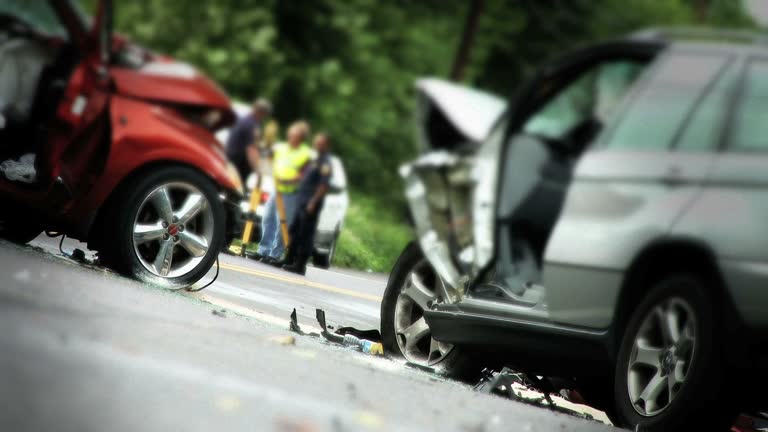
Useful evidence may include vehicle damage, scene photographs, dash-camera footage, traffic or business video, event data recorders, witness accounts, 911 recordings, the police report, repair estimates, and inspection records. Photograph all vehicles and the wider roadway before they are moved when it is safe to do so.
What to Do Immediately After the Crash
- Call law enforcement and request medical help. Ask when the crash report will be available.
- Exchange information. Obtain driver, owner, vehicle, insurer, passenger, and witness details.
- Document the scene. Photograph damage, lanes, signals, debris, skid marks, weather, and any visible injuries.
- Seek appropriate medical evaluation. Symptoms can develop or worsen after the adrenaline of a collision fades.
- Notify your insurer. Provide accurate facts without guessing about speed, fault, or the long-term medical outcome.
Rear-Ended and Unsure What Comes Next?
The Awad Law Firm can review the crash report, vehicle evidence, treatment records, lost income, and available insurance coverage.
Rear-End Injuries May Not Be Obvious at First
Neck and back injuries, concussions, shoulder injuries, and aggravation of prior conditions may initially seem minor. Describe symptoms accurately, follow medical recommendations, and avoid gaps in necessary treatment. Insurers may argue that delayed care means the crash did not cause the condition.
How Comparative Fault Can Affect the Claim
Georgia follows a modified comparative negligence system. Compensation can be reduced when an injured person shares responsibility and may be barred at 50% fault or more. That makes evidence critical when the insurer alleges an unsafe lane change, sudden stop, or defective brake lights. Read our Georgia comparative negligence guide.
What Compensation May Be Available?
A supported claim may include medical expenses, future treatment, lost wages, reduced earning capacity, property damage, pain and suffering, and other losses tied to the collision. Coverage limits, injury severity, treatment, fault evidence, and prior health history can all affect value. See our guide to evaluating a Georgia accident claim.
Be Careful With Quick Settlement Offers
An early offer may arrive before the full medical picture is known. A signed release generally ends the claim. Keep correspondence, ask questions in writing, and understand every category of loss before resolving the case. Our insurance adjuster guide explains common settlement tactics.
Deadlines and Prompt Investigation
Video may be overwritten, vehicles may be repaired, and witnesses may become difficult to locate. Georgia injury claims are often subject to a two-year limitation period, but exceptions and special notice rules may apply. Investigate promptly and review our Georgia filing-deadline guide.
Official Resources
- Georgia DDS: What to Do If You Are Involved in a Crash
- Georgia OCI: Auto Claim Tips
- Georgia OCI: Insurance Claim Tips
This article provides general educational information and is not legal advice. Rights and deadlines depend on the facts of each case.
Related Guide: Georgia Hit-and-Run Claims Back to Legal Education